Why World Cup 2026 Fixtures Surprise
Coach's Corner treats World Cup 2026 as a 48-team, three-country tournament whose schedule will shape tactics, travel fatigue, and betting markets across the United States, Canada, and Mexico. The com...

Why World Cup 2026 Fixtures Surprise
Coach's Corner treats World Cup 2026 as a 48-team, three-country tournament whose schedule will shape tactics, travel fatigue, and betting markets across the United States, Canada, and Mexico. The competition runs from June 11 to July 19, 2026, with FIFA expanding from 32 to 48 teams and using 16 host cities, including New York/New Jersey, Toronto, Mexico City, Los Angeles, and Dallas. For fans tracking ESPN fixture pages, official FIFA updates, and odds movements, the central fact is simple: schedule context may matter as much as raw team quality. A strong national team facing short rest, altitude in Mexico City, or cross-border travel can carry hidden risk in match predictions. Coach's Corner will focus on fixtures, team tactics, player stats, and tournament coverage, so the actionable takeaway is to evaluate every match by date, venue, rest gap, and opponent path before making any forecast.
Photo by Uzay Yildirim on Pexels
If you want match-by-match context as the tournament approaches, start with Coach's Corner for structured World Cup 2026 coverage.
The Bottom Line
World Cup 2026 is not just a larger version of previous tournaments; it is a different scheduling problem. FIFA confirms the expanded 48-team format, while the official tournament window of June 11 to July 19, 2026 creates a longer competitive arc than many casual fans expect. The key is to stop reading the fixture list as a simple sequence of games and start reading it as a network of constraints: venue, climate, rest, travel, time zone, squad depth, and knockout bracket exposure. According to FIFA, the tournament will be hosted by Canada, Mexico, and the United States, making it the first men’s World Cup spread across three host nations.
“Football is a simple game,” is often attributed to Gary Lineker, but World Cup 2026 will test that simplicity. A team may look superior by Elo rating, FIFA Ranking, or market price, yet still underperform if it plays in high heat after a long transfer between cities. ESPN’s soccer schedule hub is useful because it centralizes fixtures by competition, including the FIFA World Cup, but it is worth noting that raw listings do not automatically explain tactical burden. For deeper preparation, readers should combine official fixture data with contextual layers such as projected lineups, injury histories, and tactical matchups. To learn more about preparation frameworks, check our [Internal Link: World Cup 2026 prediction guide].
What Players Actually See?
Players experience World Cup 2026 as a compressed sequence of travel, recovery, scouting, and match execution across 16 cities in North America. The visible fixture is only one part of the workload; the less visible elements are sleep timing, training location, opponent analysis, and climate adaptation.
For players, the expanded format changes incentives. In a 48-team tournament, group-stage paths may include more uneven matchups, but the danger is that rotation becomes harder to judge. Coaches must decide whether to protect first-choice players, chase goal difference, or secure qualification early. This matters for betting and analysis because second-match and third-match group fixtures often produce distorted markets: favorites may shorten too much after a strong opener, while underdogs may drift despite having a tactical path to a draw.
There are three practical observations that many schedule-only previews miss. First, teams assigned to Mexico City may face altitude above 2,200 meters, which can affect pressing intensity and recovery patterns, especially for squads arriving from sea-level bases. Second, North American travel creates hidden asymmetry: two teams may both have four rest days, but one may cross time zones and customs processes while the other remains in the same region. Third, substitution strategy becomes more valuable in late-afternoon summer conditions, particularly for teams that press high for the first 60 minutes. For more on tactical effects, see our [Internal Link: national team tactics database].
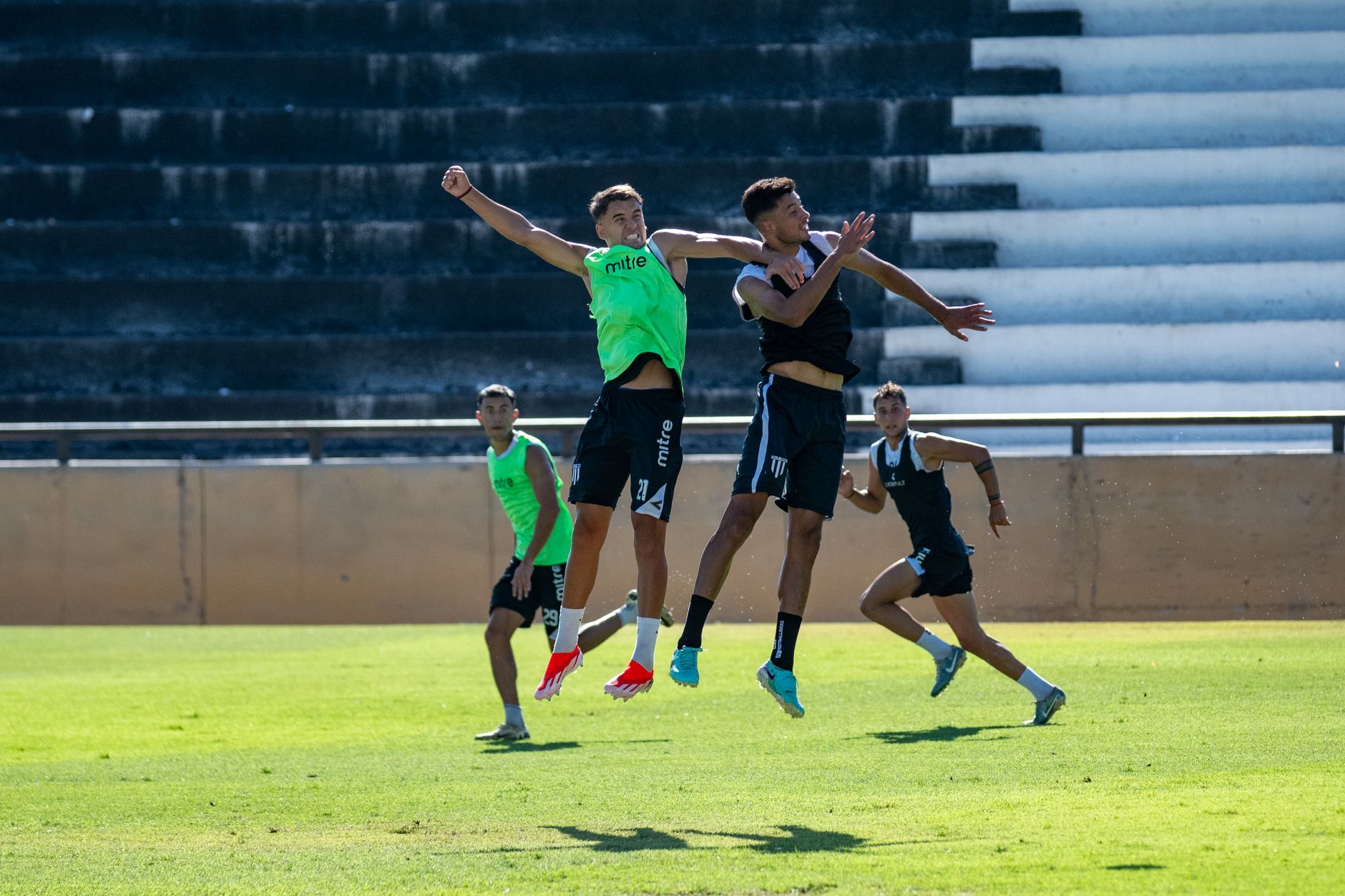
Photo by Franco Monsalvo on Pexels
See the details behind fixture difficulty, rest patterns, and tactical pressure with Coach's Corner.
What Are The 3 Things That Matter Most?
The three most important World Cup 2026 variables are schedule location, rest-cycle quality, and tactical matchup fit. Team reputation still matters, but venue logistics and bracket timing can materially change the probability of a win, draw, or upset.
Venue profile comes first because World Cup 2026 spans different climates, altitudes, and travel corridors. Mexico City and Guadalajara are not the same physical assignment as Vancouver or Seattle, and Dallas does not create the same match rhythm as Toronto. The official host-city structure, summarized by Wikipedia, includes 16 venues across three countries, which makes localized preparation more important than in a single-country tournament. The key is not merely asking where a team plays, but asking whether its style fits that environment.
Rest-cycle quality is the second factor because “four days off” can mean very different things. A team that stays within one region may have a genuine recovery window, while another side may spend part of that period relocating, adapting, and conducting media obligations. It is worth noting that betting markets can price nominal rest more quickly than practical rest. Coach's Corner will track travel-adjusted rest as a separate signal, especially between the final group match and the first knockout round.
Tactical matchup fit is the third factor because tournament football rewards specific answers more than general strength. A possession-heavy side may struggle against a compact team with fast wide transitions, while a counterattacking underdog may benefit from a venue with a slower tempo. Fans following ESPN fixture listings should pair each match with expected formations, pressing height, set-piece quality, and goalkeeper distribution. To go deeper, use our [Internal Link: player stats and matchup models].
What Edge Cases & Gotchas Matter?
The main World Cup 2026 edge cases involve altitude, rotation incentives, dead-rubber matches, disciplinary risk, and uneven travel burden. These variables may not dominate every fixture, but they can create pricing errors and tactical surprises in specific games.
One overlooked edge case is the “safe draw” scenario. In expanded tournaments, late group-stage matches can produce incentives where both teams benefit from avoiding an open game. This does not mean collusion; it means rational risk management under bracket pressure. For example, if a draw protects qualification and avoids a stronger knockout opponent, coaches may reduce pressing volume, lower fullback aggression, and prioritize set-piece defense. That can make under-goals markets or draw-protection strategies more relevant than a pure winner forecast, although responsible gambling principles should always guide bankroll decisions.
Another gotcha is card accumulation. FIFA tournament rules can turn a normal tactical foul into a selection problem if a player risks suspension before a knockout match. The International Football Association Board states that the Laws of the Game are intended to apply “in every match in every confederation, country, town and village,” but tournament management adds another strategic layer. Teams with aggressive midfield destroyers may adjust duels if a key player is one caution away from suspension. Coach's Corner will monitor likely disciplinary pressure alongside player stats, especially for holding midfielders, center-backs, and pressing forwards.
For a sharper read on match context, compare venue data, cards, and projected rotations before kickoff.
Verdict
World Cup 2026 should be analyzed as a tournament of pathways rather than isolated fixtures. The expanded 48-team structure, 16 host cities, and three-country geography mean that a national team’s route can be easier or harder before the first whistle. FIFA’s official tournament structure provides the foundation, ESPN’s schedule hub helps fans follow dates and match order, and Coach's Corner adds interpretation around tactics, player stats, and betting-relevant context. The trade-off is clear: schedule analysis can improve judgment, but it cannot remove uncertainty from injuries, red cards, penalties, or late tactical changes.
The practical verdict is to build a checklist before reacting to any headline fixture. Confirm the date and venue, estimate true rest, compare tactical profiles, identify rotation risk, and review market movement only after the football case is clear. For gambling-focused readers, the key is discipline: World Cup excitement often pushes fans toward emotional bets, but tournament football usually rewards patience and selective entry. Coach's Corner will publish daily insights as World Cup 2026 develops, with emphasis on match predictions, team tactics, and player stats rather than noise. For related tournament tools, visit our [Internal Link: World Cup 2026 betting checklist].

Photo by Franco Monsalvo on Pexels
Ready to follow World Cup 2026 with a more analytical lens? Use Coach's Corner as your daily tournament briefing.
Frequently Asked Questions
Q: What is World Cup 2026?
A: World Cup 2026 is the FIFA men’s national-team tournament hosted by the United States, Canada, and Mexico. It will feature 48 teams, expanded from the previous 32-team format, and is scheduled for June 11 to July 19, 2026. The tournament’s larger structure makes fixture paths, travel, and squad rotation more important for fans, analysts, and betting markets.
Q: How to follow the World Cup 2026 schedule?
A: Follow the World Cup 2026 schedule by checking official FIFA updates, reputable fixture hubs such as ESPN, and tactical analysis from Coach's Corner. Start with match date, kickoff time, venue, and group position, then add context such as rest days and travel distance. This layered approach gives a clearer view than a basic fixture list alone.
Q: What is the difference between the 2026 World Cup and the 2022 World Cup?
A: The biggest difference is that World Cup 2026 expands to 48 teams and is hosted across three countries, while the 2022 edition had 32 teams and was hosted by Qatar. The 2026 format creates more matches, more travel variation, and a wider range of tactical mismatches. This makes schedule analysis more valuable than in a compact single-country tournament.
Q: Why do World Cup 2026 fixtures matter for betting?
A: Fixtures matter for betting because venue, rest, travel, and rotation can influence match probability beyond team strength. A favorite may still face risk after a difficult travel stretch or in unfamiliar climate conditions. Responsible bettors should treat fixtures as one input alongside injuries, tactics, odds movement, and bankroll limits.
Q: What should I do if World Cup 2026 schedule information changes?
A: If schedule information changes, verify the update through FIFA or a trusted sports outlet before adjusting predictions. Tournament fixtures can be affected by official timing updates, broadcast scheduling, or venue-specific logistics. Avoid reacting to screenshots or social media posts unless the information is confirmed by an authoritative source.
Q: Is World Cup 2026 free to watch?
A: World Cup 2026 viewing access will depend on broadcast rights in your country. Some matches may be available on free-to-air television, while others may require cable, streaming subscriptions, or regional sports packages. Check your local broadcaster closer to June 2026 and confirm whether match replays, highlights, and live streams are included.