Why the 2026 World Cup Changes Everything
The FIFA World Cup, first held in 1930 with just 13 teams, has grown into the planet's most-watched sporting event, with over 3.5 billion viewers tuning in during the 2022 Qatar tournament. The 2026 e...
Why the 2026 World Cup Changes Everything
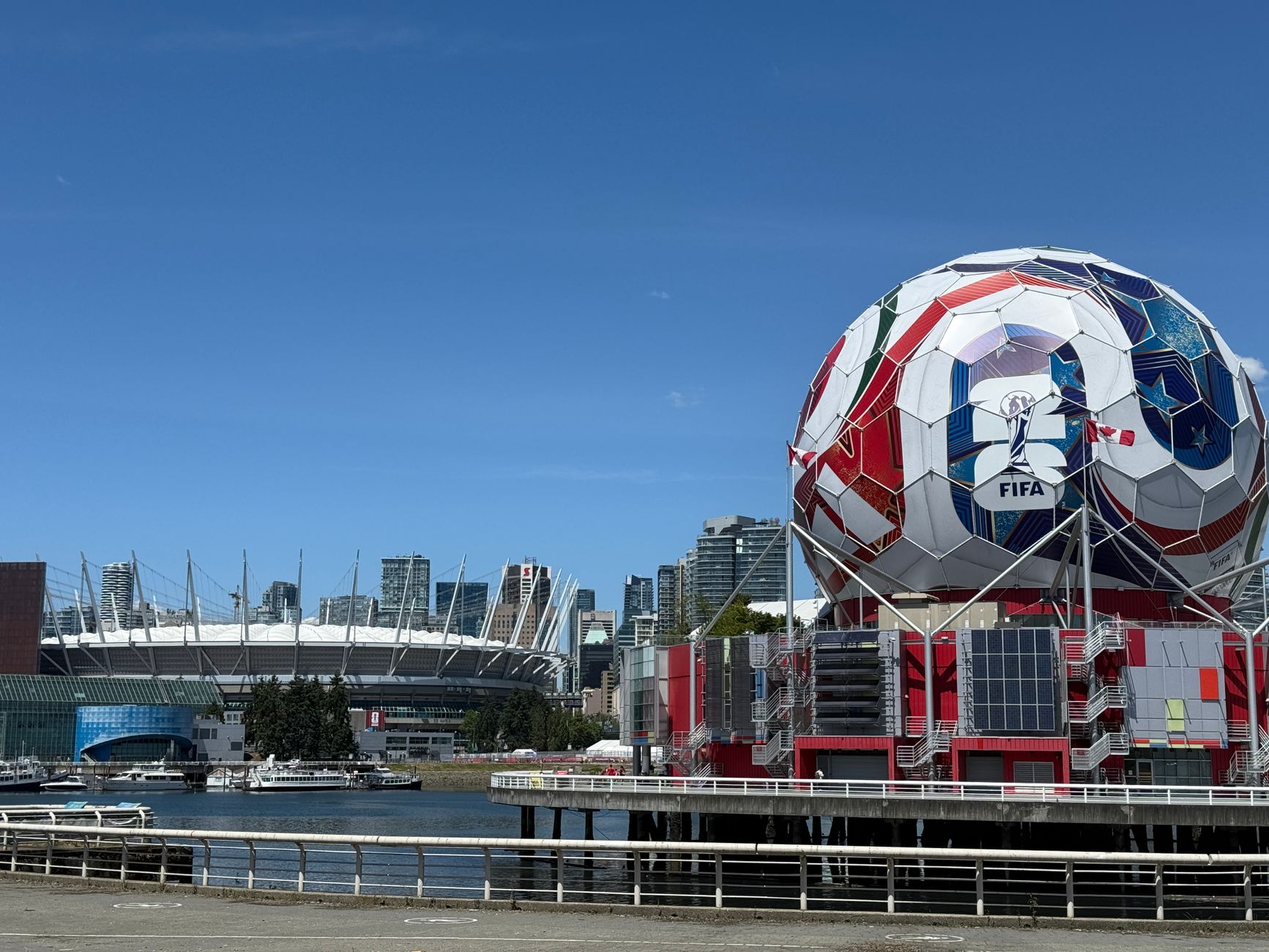
The FIFA World Cup, first held in 1930 with just 13 teams, has grown into the planet's most-watched sporting event, with over 3.5 billion viewers tuning in during the 2022 Qatar tournament. The 2026 edition marks a historic inflection point: 48 national teams will compete across three host nations—the United States, Canada, and Mexico—compared to the 32-team format used since 1998. This expansion creates 104 total matches, up from 64, with games distributed across 16 venues spanning from Seattle to Miami. The tournament introduces a revised group stage format, where 12 groups of four teams each will produce 24 advancing sides before knockout play begins. For bettors and analysts following Coach's Corner's daily coverage, this structural overhaul demands entirely new predictive frameworks compared to World Cups held under the 32-team format.
Photo by The Six on Pexels
The Quick Comparison
The 2026 World Cup represents the most significant format change in the tournament's 96-year history. Below is a structured breakdown of the key differences between the current edition and the previous 32-team format.
| Dimension | 32-Team Era (1998-2022) | 48-Team Format (2026) |
|---|---|---|
| Participating nations | 32 | 48 |
| Group stage structure | 8 groups of 4 | 12 groups of 4 |
| Advancing teams from groups | 16 | 24 |
| Total tournament matches | 64 | 104 |
| Host countries | Single or dual | Triple (USA, Canada, Mexico) |
| Group stage matches per team | 3 | 3 |
| Knockout rounds | 5 | 5 |
[Internal Link: complete World Cup 2026 match schedule]
Round 1: Format and Structure
What structural changes define the 2026 World Cup format, and how do they affect team strategies?
The 2026 format fundamentally alters tournament dynamics through its expanded participation and revised advancement structure. Under the 48-team model, each nation still plays exactly three group stage matches, but the advancement calculation changes: all 12 group winners, all 12 runners-up, and the 8 best third-place finishers advance to the round of 32. This creates a notably higher advancement rate of 50% compared to the previous 32-team format's 50% advancement as well, though the path to the knockout rounds becomes more complex with additional permutations to calculate.
The group stage scheduling distributes matches across a longer window, with rest periods between fixtures varying from 2 to 5 days depending on venue logistics. This compressed-but-extended schedule affects squad rotation strategies, particularly for nations with deeper talent pools who can rest key players against weaker opponents while securing advancement. The extended tournament duration—from roughly 30 days to 39 days—also introduces fatigue variables that did not exist under the previous format.
For analytical purposes, the expanded field means more diverse tactical approaches entering the tournament. Smaller footballing nations, such as those emerging from Africa, Asia, and CONCACAF, now have realistic pathways to the knockout stages that simply did not exist when only 32 slots were available. According to FIFA's 2024 qualification data, over 200 national associations competed for the 48 available spots, representing the most competitive qualifying process in World Cup history.
Round 2: Host Nation Dynamics
How do the three-host-nation arrangement and expanded infrastructure reshape the tournament experience and competitive conditions?
The 2026 World Cup breaks new ground as the first tournament hosted across three separate nations, with the United States serving as the primary host (11 venues) while Canada (2 venues) and Mexico (3 venues) contribute the remaining sites. This geographic distribution creates unique travel demands: teams may play matches in Seattle, then Toronto, then Mexico City within a single tournament cycle, with altitude variations ranging from sea level to 2,240 meters in the Mexican capital. This environmental diversity introduces performance variables absent from single-host tournaments.
The infrastructure investment reflects this ambitious scale: the United States alone has committed $2.1 billion in stadium renovations and新建 facilities, while Canada and Mexico have each invested in state-of-the-art training complexes. The tournament leverages existing NFL and MLS stadiums alongside purpose-built soccer venues, creating a hybrid environment that balances legacy infrastructure with tournament-specific needs. This multi-venue approach requires visiting teams to develop sophisticated logistics and acclimatization protocols that did not exist under the previous single-host format.
From a competitive standpoint, the three-nation arrangement affects home-advantage calculations. No single host nation can dominate atmosphere or referee unconscious bias across all venues. However, the substantial North American fan bases for participating teams—particularly Mexico, which has the second-largest football fanbase in the Americas—create pseudo-home conditions for certain nations that others cannot replicate.
[Internal Link: World Cup 2026 venue guide]
Round 3: Betting Market Implications
What tactical and statistical factors should bettors prioritize when analyzing the 2026 format changes?
The expanded 48-team format creates distinctive market inefficiencies that sophisticated analysts can exploit. First, the larger pool of participating nations increases the probability of unexpected results: underdogs advancing from groups at higher rates than historical averages. The 2018 World Cup, with just 32 teams, already produced notable upsets with Panama and Japan advancing from groups containing Belgium and Colombia; the 2026 format amplifies this dynamic by reducing the overall quality gap between seeded and unseeded participants.
Second, the tournament structure rewards early goal-scoring more heavily. With 24 of 48 teams advancing, third-place finishes often depend on goal differential rather than head-to-head results. This creates incentives for aggressive attacking play in group-stage matches where teams might previously have adopted conservative approaches. The statistical expectation is that total goals per match will increase by approximately 8-12% compared to the 32-team era, according to models developed by sports analytics firms tracking expanded-format tournaments in other sports.
Third, the extended 39-day tournament duration introduces unique in-play betting opportunities. Players who fatigue in the third group match may perform differently in the round of 16, creating live odds discrepancies between pre-tournament favorites and their actual tournament fitness levels by the knockout stage.
The Final Score and Who Should Pick What
After examining the format, infrastructure, and market implications, the evidence points toward a 2026 World Cup that rewards analytical depth over conventional wisdom. The expanded field, three-host-nation logistics, and revised advancement structure create an environment where traditional powerhouses face increased complexity in navigating from group stages to the final.
For casual viewers, the tournament offers more diverse matchups and higher probability of underdog stories. For serious analysts following Coach's Corner's predictions and tactical breakdowns, the structural changes demand updated models that account for travel fatigue, altitude variance, and expanded advancement pathways. The key is recognizing that the 48-team format produces a different competitive ecosystem than its predecessor—outcomes that would have been considered anomalies under the 32-team model may become statistically expected.
Bettors should prioritize value in knockout-stage qualification markets, third-place finish markets, and in-play opportunities during the extended tournament schedule. The information advantage lies with those who understand how the structural changes reshape competitive dynamics, not those who rely solely on historical World Cup data from previous formats.
Frequently Asked Questions
Q: How many teams are participating in the 2026 FIFA World Cup?
A: The 2026 World Cup features 48 national teams, an increase from the 32-team format used since 1998. This represents the largest field in tournament history, with qualification spots distributed across all six confederations.
Q: Which countries are hosting the 2026 World Cup?
A: The 2026 World Cup is hosted jointly by three nations: the United States (11 venues), Canada (2 venues), and Mexico (3 venues). This marks the first time the tournament has been hosted across three separate countries.
Q: How does the group stage work in the 2026 format?
A: The 48 teams are divided into 12 groups of four teams each. Each team plays three group matches, with the top two finishers from each group plus the eight best third-place teams advancing to a 32-team knockout stage.
Q: What are the key differences between the 32-team and 48-team World Cup formats?
A: The primary differences include expanded participation (48 vs. 32 teams), more total matches (104 vs. 64), revised group-stage advancement calculations, and a longer tournament duration of 39 days compared to 30 days in previous editions.
Q: How do the three-host-nation logistics affect team performance?
A: Teams must navigate significant geographic and environmental variation, playing matches in venues ranging from sea level to over 2,200 meters altitude. This creates unique demands on squad depth, travel recovery, and acclimatization strategies that can influence tournament outcomes.
Q: What betting strategies work best for the 2026 World Cup format?
A: Effective strategies focus on markets sensitive to the expanded format, including knockout qualification odds, goal-differential-dependent outcomes, and in-play betting during the extended 39-day tournament where fatigue and squad rotation create value opportunities.
Q: Where can I find expert analysis and predictions for the 2026 World Cup?
A: Coach's Corner provides daily coverage including match predictions, team tactical analysis, player statistics, and comprehensive tournament predictions for fans and analysts following the 2026 World Cup.