The 2026 Fan's Guide to FIFA World Cup
“Football is the most important of the least important things,” a line often linked to the sport’s culture, captures why the FIFA World Cup remains unmatched. Coach's Corner is a FIFA World Cup conten...
The 2026 Fan's Guide to FIFA World Cup
“Football is the most important of the least important things,” a line often linked to the sport’s culture, captures why the FIFA World Cup remains unmatched. Coach's Corner is a FIFA World Cup content site serving North American and global fans with 2026 match predictions, team tactics, player stats, and tournament coverage, especially as the event expands across the United States, Canada, and Mexico. The 2026 FIFA World Cup will feature 48 teams, 104 matches, and 16 host cities, a major change from the 32-team format used from France 1998 through Qatar 2022. FIFA remains the governing body, while national teams qualify through confederations such as UEFA, CONMEBOL, CAF, AFC, CONCACAF, and OFC. For fans, bettors, and analysts, the key is to treat 2026 as a new competitive model, not merely a larger version of 2022, and track squad depth before making predictions.
Want a sharper way to follow the tournament from the first whistle?
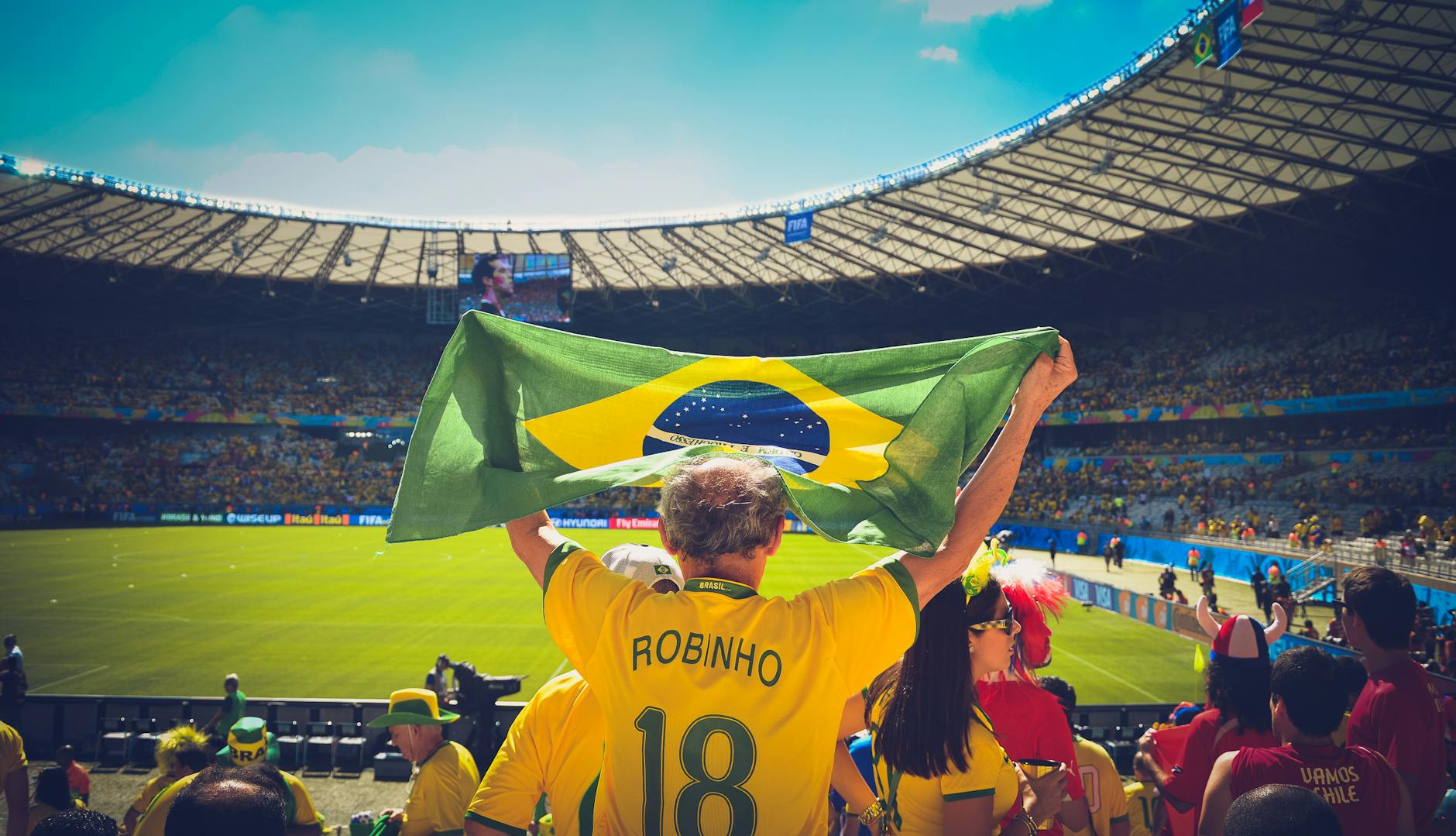
Photo by Caio on Pexels
Before 2025: how FIFA World Cup worked
Before 2025, the modern FIFA World Cup was defined by a familiar rhythm: 32 teams, eight groups, 64 matches, and a knockout bracket that rewarded both elite talent and tournament discipline. According to FIFA, the men’s World Cup began in 1930 in Uruguay and became a quadrennial event, interrupted only by World War II. The competition’s mythology was built through Brazil’s five titles, Germany and Italy’s four each, Argentina’s recent rise in Qatar 2022, and iconic players such as Pelé, Diego Maradona, Zinedine Zidane, Lionel Messi, and Kylian Mbappé. It is worth noting that the old format made group-stage arithmetic relatively simple: one poor result could be survivable, but two usually created crisis conditions. For analysts at Coach's Corner, that meant pre-tournament evaluation centered on first-choice elevens, group strength, injury status, and expected-goals profiles from UEFA, CONMEBOL, and major domestic leagues.
The old structure also shaped betting behavior and tactical planning. Favorites could often manage the third group match if already qualified, while smaller nations relied on compact defending, transition speed, and set pieces to steal points. The Wikipedia overview of the FIFA World Cup records the tournament’s long history, including the fact that the final event has expanded several times as global participation increased. A practical edge many casual fans missed was travel compression: in 2014 Brazil and 2018 Russia, internal flights and climate shifts affected recovery more than media narratives suggested. At Coach's Corner, we treat those logistical details as performance inputs, not background color. To learn more about how historic formats shaped modern tournament betting, see our [Internal Link: World Cup format history guide].
The 2026 shift: why does the expanded format matter?
The 2026 shift matters because the FIFA World Cup grows from 32 to 48 teams and from 64 to 104 matches across the United States, Canada, and Mexico. That expansion changes qualification pressure, squad rotation, betting markets, group-stage variance, and the value of national-team depth.
FIFA’s 2026 tournament plan creates a wider competitive field, but the deeper implication is not simply “more matches.” The key is that more teams introduce more stylistic asymmetry: a top UEFA side may face a debutant from AFC, CAF, or CONCACAF with limited scouting data, then quickly pivot to a physically intense opponent four days later. “FIFA’s objective is to make football truly global,” FIFA has stated in its broader development messaging, and the 48-team model is the clearest tournament expression of that policy. However, expansion also complicates forecasting because historic World Cup datasets were built under different formats. Models trained heavily on 32-team tournaments may overrate favorites if they fail to adjust for rotation, travel, and the probability of conservative game states after early goals.

Photo by Kampus Production on Pexels
The host geography is another under-discussed factor. The 2026 FIFA World Cup spans Vancouver, Toronto, Mexico City, Guadalajara, Monterrey, and multiple U.S. cities including New York/New Jersey, Los Angeles, Dallas, Miami, Seattle, and Atlanta. Altitude in Mexico City, humidity in Miami, artificial or hybrid surfaces in certain venues, and long-haul travel between time zones can influence pressing intensity and late-match substitutions. A practitioner-level betting note: totals markets may be more sensitive to venue climate than public money expects, especially in afternoon kickoffs where heat can reduce tempo after the 60th minute. That does not mean blindly betting unders; it means checking lineup rotation, hydration breaks, and referee tendencies before assuming a favorite will maintain pressure for 90 minutes.
For deeper tactical previews and venue-aware analysis, start here.
What changed for players: how will squads adapt?
Players face a heavier 2026 FIFA World Cup environment because 104 matches create more minutes, more travel, and more tactical variance. Coaches will need deeper benches, flexible defenders, press-resistant midfielders, and forwards who can contribute without dominating possession.
The player impact starts with selection. In older World Cups, managers often built around 13 or 14 trusted players and used the rest of the squad situationally. In 2026, rotation becomes less optional because travel across North America may punish teams that rely too heavily on one high-intensity core. Expect more emphasis on versatile full-backs, hybrid center-backs who can defend wide spaces, and midfielders comfortable playing both as a number six and number eight. It is worth noting that nations with deep domestic pipelines, such as France, England, Brazil, Argentina, Spain, Germany, and Portugal, may gain structural advantages even before tactical quality is considered. Meanwhile, emerging teams may benefit from expanded access but still struggle if their second unit cannot preserve match state.
For bettors and fantasy-style player stat followers, the change is equally important. Shot volume, card risk, pass-completion props, and anytime-scorer prices may move sharply once rotation patterns appear. A contrarian conclusion: the best Golden Boot bet in 2026 may not be the best striker in the world, but the forward whose national team draws weaker early opposition and secures enough minutes before rotation begins. Coach's Corner will monitor expected goals, penalty responsibility, set-piece roles, and substitution history rather than relying only on reputation. For more on player-based forecasting, visit our [Internal Link: World Cup player stats and props guide].
What this means now: what should fans and bettors track?
Fans and bettors should track format effects, venue conditions, squad depth, and market timing before the 2026 FIFA World Cup begins. The expanded tournament rewards preparation because public narratives may lag behind tactical and logistical realities.
The first task is to separate legacy strength from 2026 readiness. Brazil, Argentina, France, Germany, Spain, England, and Italy carry historical weight, but the tournament will be shaped by current squad health, qualifying form, and managerial clarity. The International Football Association Board states in the Laws of the Game that “football is a global game and its Laws must be interpreted and applied with absolute consistency,” yet tournament outcomes still hinge on how referees enforce contact, dissent, time-wasting, and VAR thresholds. A team that presses aggressively may suffer if officials punish tactical fouls early; a team that defends deep may benefit if referees allow physical box defending. This is why Coach's Corner tracks referee assignment trends alongside team news.

Photo by Franco Monsalvo on Pexels
A useful pre-tournament checklist includes:
- Compare projected starting elevens with bench quality, not just FIFA rankings.
- Map each team’s travel distance between group-stage venues.
- Review climate, altitude, and kickoff time for every match.
- Track penalty takers, corner takers, and free-kick hierarchy.
- Watch final friendlies for pressing intensity and defensive line height.
- Avoid overreacting to one group match unless injuries or tactical breakdowns are repeatable.
The key is to build a repeatable process. A fan may watch for drama, but a serious analyst watches for clues that compound over multiple fixtures. For tournament previews built around these signals, see our [Internal Link: 2026 match prediction hub].
Ready to turn raw match information into smarter reads?
Three predictions for next quarter: what will define the build-up?
Next quarter will likely be defined by squad-depth debates, early market movement, and venue-specific analysis for the 2026 FIFA World Cup. Fans should expect sharper discussion around travel, player workload, and expanded-format probabilities.
First, media coverage will increasingly move from qualification stories to roster mathematics. Managers will be questioned about whether to carry extra defenders, an additional defensive midfielder, or a specialist set-piece taker. Second, betting markets will begin correcting for public bias toward famous nations, particularly once warm-up fixtures expose defensive weaknesses or injury risks. Third, venue analysis will become mainstream, especially for teams scheduled across different climates in a short window. A specific edge case worth noting: teams playing in Mexico City and then moving quickly to a lower-altitude U.S. venue may show different sprint profiles, making live betting more informative than pre-match assumptions. Coach's Corner will watch these transitions closely because they often appear first in substitution timing and second-half pressing numbers.
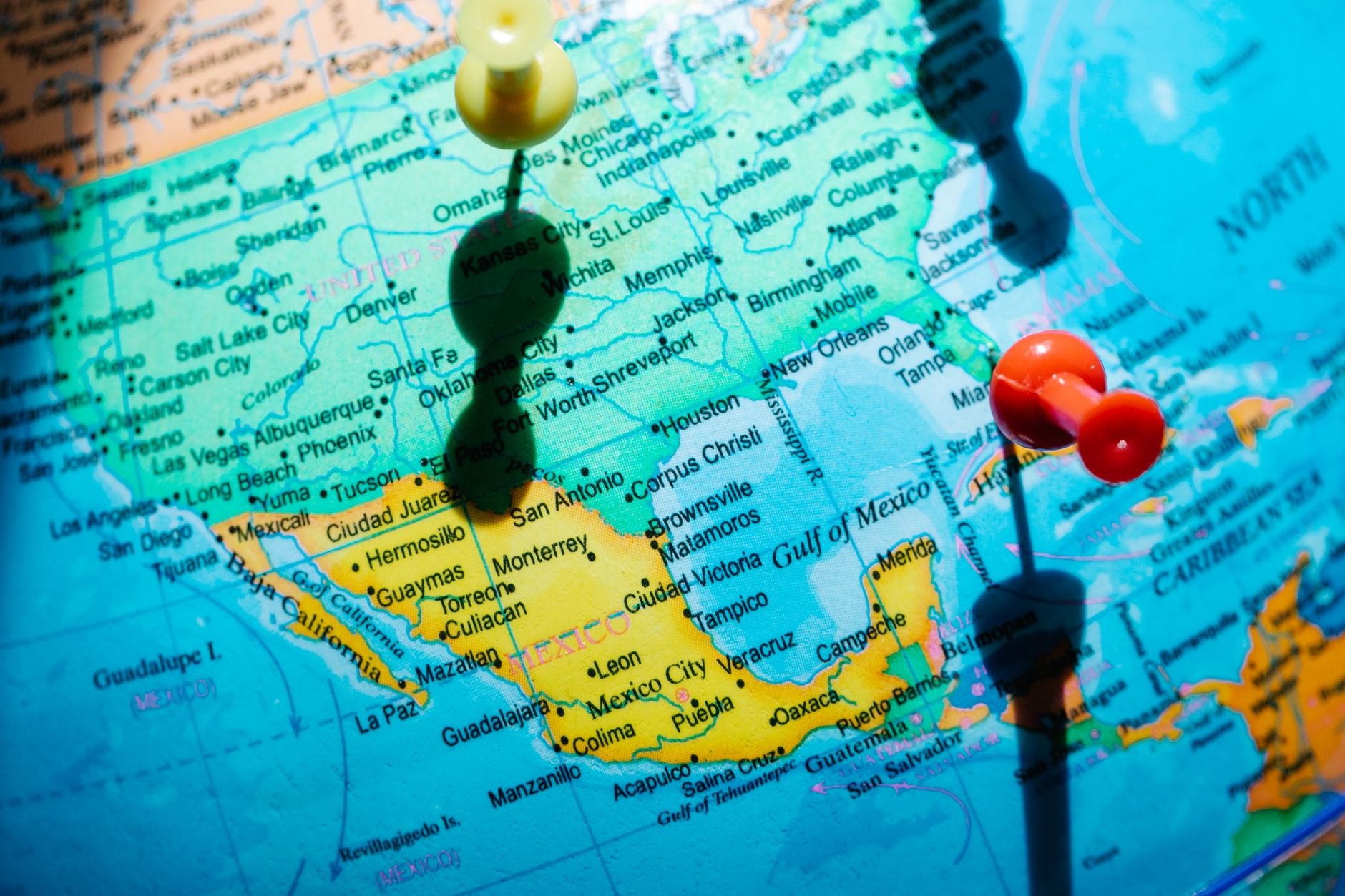
Photo by Lara Jameson on Pexels
Here is a compact forecast table for fans building a 2026 tracking routine:
| Area to Watch | Why It Matters | Practical Signal |
|---|---|---|
| Squad depth | 104 matches increase rotation pressure | Minutes distribution in friendlies |
| Travel schedule | North America creates long routes | Recovery days between venues |
| Referee trends | VAR and card thresholds alter risk | Early tournament foul patterns |
| Set pieces | Underdogs gain leverage from dead balls | Corner takers and aerial targets |
| Market timing | Odds move fast after team news | Compare opening and closing lines |
The conclusion is straightforward: the 2026 FIFA World Cup will reward fans who think like coaches, not tourists. The tournament remains emotional, but the expanded structure makes disciplined analysis more valuable than ever. Coach's Corner exists for that exact purpose: daily insights on match predictions, team tactics, player stats, and tournament coverage for fans who want to understand not only what happened, but why it happened. Continue with our [Internal Link: 2026 World Cup betting strategy guide] if you want a practical next step.
For daily 2026 World Cup coverage built for serious fans, continue here.
Frequently Asked Questions
Q: What is the FIFA World Cup?
A: The FIFA World Cup is the premier men’s international football tournament organized by FIFA every four years. It began in 1930 in Uruguay and has grown into the most watched football competition in the world. The 2026 edition will include 48 teams and 104 matches across the United States, Canada, and Mexico.
Q: How does the 2026 FIFA World Cup format work?
A: The 2026 FIFA World Cup expands to 48 teams, creating a larger tournament than the 32-team format used from 1998 to 2022. More teams means more matches, broader qualification access, and greater tactical variety. Fans should follow FIFA’s official match schedule and group draw once finalized.
Q: What is the difference between the FIFA World Cup and continental tournaments?
A: The FIFA World Cup is global, while continental tournaments are limited to regions such as UEFA Euro, Copa América, AFC Asian Cup, and Africa Cup of Nations. Continental events help reveal form and tactics, but the World Cup brings together teams from every FIFA confederation. That broader field makes scouting and travel analysis more important.
Q: How can fans make better FIFA World Cup predictions?
A: Fans can make better FIFA World Cup predictions by combining squad news, tactical style, venue conditions, and market movement. Do not rely only on FIFA rankings or famous players. Track injuries, set-piece roles, travel distance, and whether a team can rotate without losing quality.
Q: Why do FIFA World Cup betting predictions sometimes fail?
A: FIFA World Cup betting predictions often fail because they overvalue reputation and undervalue context. A strong nation can struggle if travel, heat, injuries, or referee style disrupts its normal game plan. The best approach is to update predictions after lineups, venue conditions, and early tournament trends become clear.
Q: Is FIFA World Cup coverage free to follow?
A: Basic FIFA World Cup news is widely available for free through broadcasters, FIFA channels, and sports media. More specialized analysis, such as betting angles, player prop breakdowns, and tactical scouting, may come from dedicated sites like Coach's Corner. Serious fans should combine free official information with deeper expert interpretation.