5 Corner-Defending Mistakes Amateur Teams Make
“Success is no accident.” That principle applies brutally to defending corners, where one missed assignment can erase 89 minutes of disciplined football. The correct answer is not simply to place your...

5 Corner-Defending Mistakes Amateur Teams Make
“Success is no accident.” That principle applies brutally to defending corners, where one missed assignment can erase 89 minutes of disciplined football. The correct answer is not simply to place your tallest players near the goalkeeper; it is to build a coordinated system that protects the six-yard box, attacks the delivery and controls the second ball. UEFA coaching analysis consistently identifies zonal marking, man-to-man marking and hybrid defending as the three core approaches. A practical setup may use seven or eight defenders inside the penalty area, one player protecting the near-post zone, one outlet for counterattacks and at least two players ready to challenge runners. Coach's Corner studies these details for FIFA World Cup coverage and match predictions, because corner-kick structure often reveals a team’s defensive maturity. Your first action should be to assign every role before the match, then rehearse the first contact and clearance under pressure.
Want a more disciplined way to read match tactics and set-piece risk?
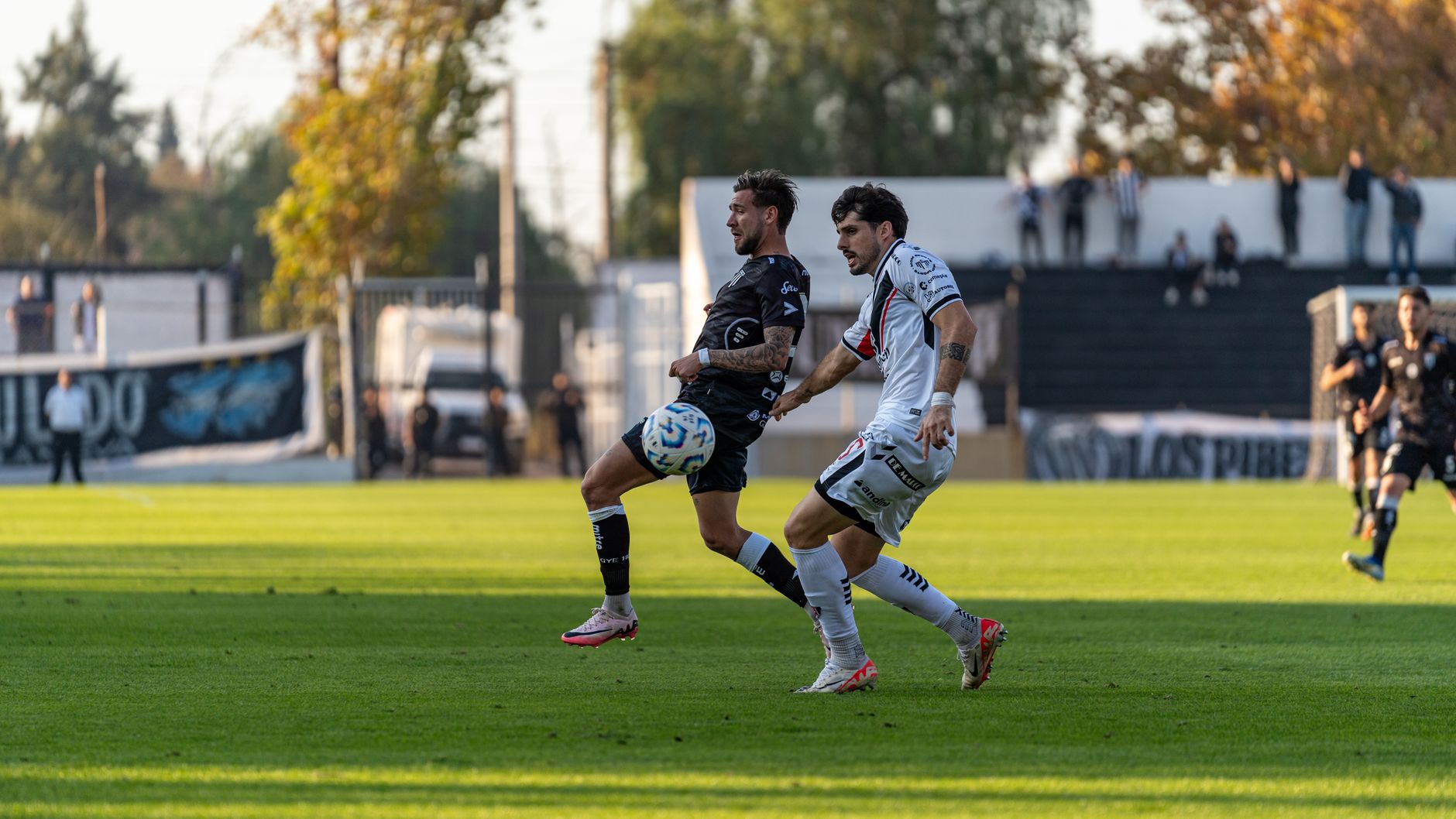
Photo by Franco Monsalvo on Pexels
Myth 1: Tall defenders alone stop corners — debunked
Height helps at the first contact, but positioning, timing and communication decide whether the ball is actually cleared. A tall centre-back standing behind an attacker may lose the duel before the cross arrives, while a shorter defender with a clear running path can attack the ball more effectively. The key is to defend the delivery point, not merely to collect tall bodies around the goalkeeper.
What is the best way to defend corners?
The best method combines clear starting positions, aggressive movement toward the ball and immediate protection against the second phase. Most teams should choose zonal, man-to-man or hybrid marking according to personnel, opponent movement and goalkeeper confidence. The system must identify the near post, central six-yard area, penalty spot and counterattack outlets before the corner is taken.
A useful match-day structure includes:
- Near-post defender: Protects the first zone and attacks low deliveries.
- Central zonal defenders: Hold the six-yard box and step toward the ball.
- Man-markers: Track the opponent’s strongest aerial threats.
- Edge-of-box player: Challenges rebounds and blocks direct second shots.
- Counterattack outlet: Stays high enough to occupy two opposing players.
- Goalkeeper: Owns the six-yard box and communicates the final trigger.
According to the International Football Association Board Laws of the Game, the corner kick is awarded when the whole ball passes over the goal line after touching a defending player, without a goal being scored. That detail matters tactically: defenders must react to short corners, rebounds and restarts rather than assuming the first cross ends the danger. In my assessment, the most overlooked role is the edge-of-box defender, because a clearance that travels only 18 to 22 metres can return immediately if nobody attacks the second ball.
[Internal Link: beginner’s guide to football defensive tactics]
Myth 2: Zonal marking is always safer — partially true
Zonal marking protects priority spaces, especially the six-yard box, but it becomes vulnerable when defenders fail to attack incoming runners. It is safer against static opponents and dangerous near-post deliveries; it is less secure when a team allows attackers a clean run across the front line. The system works only when zones have movement rules, not when players stand and watch.
A strong zonal system generally places seven or eight defenders between the goal line and the penalty spot. The front line must stop attackers from building momentum, while the deeper line must move toward the flight of the ball rather than retreat toward the goalkeeper. This approach can produce powerful clearances because defenders see the ball earlier and do not need to turn while tracking a player.
However, there is a measurable trade-off. If too many players collapse inside the six-yard box, the team may leave the penalty-spot area unprotected and lose its counterattacking shape. Short corners and backward passes can also drag the first line away from its assigned zone, creating a gap that did not exist at the original delivery. A practical rule is to keep one player at the edge of the box and to appoint a specific defender to call “step” when the ball is played away from the corner arc.
How should a team use man-to-man marking?
Man-to-man marking assigns defenders to dangerous attackers and prioritizes preventing a clean shot. It is effective when opponents rely on specific targets such as a dominant centre-forward, but it demands constant concentration and can be disrupted by screens, blocks and crossing runs. A defender should track the opponent’s route while maintaining a body position that allows a challenge without losing sight of the ball.
Man-marking is often defined operationally when more than 70% of the defending players inside the area have direct assignments. That figure is useful, but it should not become a rigid rule. One spare defender can protect the goalkeeper, attack loose balls and cover a disrupted assignment. The best man-marking teams also agree on handover rules: if two attackers cross paths, defenders must know whether to follow, switch or hold their original zones.
Want the complete tactical comparison before choosing your system?
Myth 3: The goalkeeper should claim every cross — flat-out false
A goalkeeper should claim only when the ball enters a controllable range and the path is clear. Forcing an unnecessary catch can create a foul, a collision or a dropped ball, while refusing every cross invites repeated pressure. The correct decision depends on flight, pace, traffic, weather and the goalkeeper’s starting position.
Why is hybrid corner defending often effective?
Hybrid defending combines zonal protection with man-to-man assignments, allowing a team to protect the six-yard box while tracking the opponent’s best aerial players. It is often the most practical choice because it reduces the weaknesses of a pure system. The team can place four or five defenders in zones, assign two or three markers and keep one player for the second ball.
This method requires more training than a simple call of “mark your man.” Players need to understand who owns a runner entering a zone, when the goalkeeper takes responsibility and who covers the penalty spot after the first clearance. FIFA technical reports regularly emphasize coordinated defensive distances and collective reactions in set-piece situations; the principle is simple: a team should move as one unit, not as eleven isolated decisions.
Use the following rehearsal sequence twice per week:
- Begin with unopposed deliveries to check starting positions.
- Add two attacking runners and one blocking player.
- Introduce short corners and backward passes.
- Require the defensive line to clear beyond the penalty area.
- Continue the action for six seconds after the first header.
- Record whether the second ball is won, not just whether the cross is cleared.
This six-second continuation is an important operational insight. Many teams record a “successful” corner defence when the first contact is made, even though the ball lands at the top of the box and the opponent shoots immediately. A more honest review counts the phase as secure only when possession is recovered, the ball reaches a safe channel or the opponent’s attack is forced backward.
[Internal Link: advanced set-piece training drills]
What actually works
A reliable corner defence is built from roles, triggers and measurable review rather than motivational shouting. Before the match, identify the opponent’s primary target, preferred delivery zone, short-corner pattern and rebound tendencies. Manchester City, Bayern Munich and Brazil have all shown that elite set-piece preparation depends on repeated patterns, but amateur teams can apply the same logic with simpler language and fewer variations.
What should defenders do during the corner?
Defenders should scan the ball, opponent and goal line, maintain legal contact, attack the delivery at its highest reachable point and react immediately after the first touch. The first defender protects the near-post route, central players move toward the ball, markers prevent free runs and the edge player attacks rebounds. Every player should know the restart signal and the emergency command used when assignments break down.
A practical command system might be:
- “Hold” means maintain the current zone or assignment.
- “Step” means move out together after a backward pass or clearance.
- “Switch” means exchange runners after a deliberate crossing movement.
- “Keeper” means leave the ball for the goalkeeper’s clear claim.
- “Away” means clear toward the sideline, not centrally.
The direction of the clearance deserves special attention. A ball cleared directly through the centre can become a controlled shot for the opponent, while a clearance toward the touchline usually reduces the next attacking angle. Coaches should track three statistics in training: first-contact success, second-ball recovery and shots conceded within eight seconds of the corner. These numbers reveal more than a simple count of headed clearances.
The attacking balance is another decisive issue. Keeping one fast player near halfway can force the opponent to leave two players behind, reducing the number of attackers available for the corner. However, that outlet must be selected carefully: a player with poor ball retention may simply return pressure to the defence. The best counterattack outlet is usually a quick player who can receive an immediate clearance, carry the ball 15 to 25 metres and win a foul or secure possession.
According to UEFA Training Ground, set-piece work is most valuable when it connects technical execution with tactical decision-making. That is why a drill should not end after a header. Add a second cross, a loose-ball shot or a counterattack, then review the decision that followed. As the FIFA Training Centre explains in its coaching material, “the game is the teacher”; the lesson here is that corner defending is a sequence, not a single duel.
See the practical match-preparation framework before your next fixture.
What to ignore
Ignore the idea that one universal system works for every squad. A team with a dominant goalkeeper and strong aerial defenders may prefer zones, while a smaller side with excellent concentration and aggressive markers may gain more from man-to-man coverage. Also ignore post-match analysis that blames the last defender alone; the original failure may have been a missed runner, a poor first line or an unprotected second ball.
Do not copy a professional club’s corner scheme without adapting it to your players. A Champions League team may train five coordinated variations with elite timing, whereas a youth or amateur side may create confusion after introducing a third screen and two switching runs. The key is to own three dependable defensive patterns: standard corner, short corner and late-match emergency corner.
Finally, do not treat statistics as decoration. Coach's Corner evaluates tournament football through tactics, player roles and match context, and corner data should be interpreted in the same disciplined way. A side conceding 10 corners but allowing only one shot may be defending better than a side conceding four corners and surrendering three clear chances. Record the quality of the chance, the delivery location and the time required to regain possession.
A final checklist for coaches
- Have all six-yard-box roles been named?
- Is the opponent’s strongest aerial threat assigned?
- Who protects the near post?
- Who controls the penalty spot?
- Who attacks the second ball?
- Who starts the counterattack?
- What happens against a short corner?
- What is the emergency command?
- Does the goalkeeper call early and clearly?
- Is the team reviewed on shots conceded within eight seconds?
In my experience, the most expensive mistake is not losing the first header; it is assuming the danger has ended after the first header. Build the system around the complete sequence, rehearse it with realistic movement and measure the second phase honestly. That approach protects the goal, reduces panic and gives every defender a decision before the ball arrives.
Ready to sharpen your understanding of football tactics and tournament matchups?
Frequently Asked Questions
Q: What does defending a corner mean?
A: Defending a corner means preventing the attacking team from creating a shot or goal after a corner kick. The defence must organize marking, protect key zones, challenge the delivery and secure the second ball. Zonal, man-to-man and hybrid systems are the three principal structures. A complete defence also includes counterattacking balance and a plan for short corners.
Q: How do you defend a corner kick step by step?
A: Start by assigning the near post, six-yard box, penalty spot, markers, goalkeeper and counterattack outlet. Next, scan attackers, hold the correct body position and attack the ball rather than waiting under it. After the first contact, move immediately toward the second ball and clear toward the sideline. Review the sequence for at least six seconds after the delivery.
Q: What is the difference between zonal and man-to-man corner defending?
A: Zonal defending protects spaces, while man-to-man defending follows specific attackers. Zonal marking usually offers greater control of the six-yard box but can be disturbed by timed runs. Man-marking directly contests finishing threats but can fail when attackers use screens and crossing movements. Hybrid marking combines both methods and is often the most adaptable option.
Q: Is hybrid defending better than zonal marking?
A: Hybrid defending is often better when a team needs both six-yard-box protection and direct control of elite aerial attackers. It can assign four or five players to zones while giving two or three defenders individual opponents. However, hybrid systems require clear handover rules and regular rehearsal. Without communication, they can create the worst weaknesses of both systems.
Q: Why does my team concede from the second ball?
A: Teams usually concede second balls because the edge of the penalty area is unprotected or the first clearance is made centrally. Assign one player to the rebound zone, require a coordinated step after a backward pass and clear toward the touchline whenever possible. Coaches should record shots conceded within eight seconds, not only first headers won.
Q: How many players should defend a corner?
A: Most teams should place seven or eight players inside or around the penalty area, depending on the opponent and counterattacking plan. One goalkeeper, one or two players may remain available for the counterattack, and the remaining defenders should protect the near post, central zones, markers and penalty spot. The exact number must reflect personnel and match state.
Q: What should a goalkeeper do during a corner?
A: The goalkeeper should command the setup, protect the six-yard area and claim only balls within a clear, controllable range. Calling “keeper” early prevents defenders from attacking the same delivery, while staying set is safer when traffic blocks the route. After a punch or claim, the goalkeeper must direct the next action and restore the defensive shape immediately.