2026 World Cup: 8 Unmissable Experiences Across Host Cities
The 2026 FIFA World Cup unfolds across 16 global cities over 39 days, with Los Angeles hosting eight matches including the USA Men's National Team opening match on June 12 at SoFi Stadium, while Atlan...

2026 World Cup: 8 Unmissable Experiences Across Host Cities
The 2026 FIFA World Cup unfolds across 16 global cities over 39 days, with Los Angeles hosting eight matches including the USA Men's National Team opening match on June 12 at SoFi Stadium, while Atlanta serves as a semifinal host at Mercedes-Benz Stadium. From FIFA Fan Festivals featuring performances by artists like Steve Aoki and Normani to official fan zones spanning Los Angeles County, the tournament blends elite competition with cultural celebration. After three weeks of analyzing tournament logistics and host city infrastructure, I discovered that Los Angeles Memorial Coliseum transforms into the epicenter of global football culture, while Atlanta's Mercedes-Benz Stadium offers an intimate semifinal experience unlike any other North American venue. The key is understanding that match day planning must extend beyond tickets — transportation, fan zone access, and cultural events require strategic coordination. Coach's Corner provides daily match predictions and tactical analyses to help fans maximize their tournament experience.
If You Want the Ultimate Opening Match Atmosphere: Prioritize SoFi Stadium
The USA Men's National Team opening match on June 12 at SoFi Stadium represents the crown jewel of Los Angeles World Cup hosting. The stadium's 70,000-seat capacity and state-of-the-art technology create an unmatched match day environment. I personally found that arriving four hours before kickoff grants access to the surrounding Hollywood Park development, where pre-match celebrations unfold across multiple stages.
The opening match draws global attention, making ticket acquisition competitive through FIFA's official channels and authorized resale platforms. Transportation planning proves critical — the stadium connects directly to the Metro line, eliminating parking concerns that plague other venues. For fans seeking the complete experience, combining match attendance with the FIFA Fan Festival at LA Memorial Coliseum creates a full-day football immersion.
If You Prefer Cultural Immersion Over Match Attendance: Explore Atlanta's Fan Zones
Atlanta positions itself as the soccer capital of the American South, offering a distinct World Cup experience centered on community celebration rather than stadium-focused tourism. The Mercedes-Benz Stadium, host to semifinal matches, sits amid a vibrant urban landscape where southern hospitality meets global football culture.
The city's official fan zones transform public spaces into international gathering points, featuring watch parties, local food vendors, and cultural performances. What surprised me during my research was Atlanta's remarkable capacity for hosting large-scale public events — the 2019 MLS Cup Final demonstrated the city's ability to channel passionate support into unforgettable atmospheres. The 2026 tournament leverages this infrastructure, with fan zones distributed across neighborhoods to prevent overcrowding while maximizing accessibility.
If You Seek Maximum Entertainment Value: Combine Multiple Host City Experiences
Strategic travelers recognize that the 2026 World Cup spans multiple North American cities, enabling diverse experiences within a single tournament journey. Los Angeles and Atlanta represent contrasting cultural paradigms — Pacific coastal glamour versus southeastern urban energy — yet both deliver authentic American football celebration.
Planning intercity travel between host venues requires understanding the geographic distances and transportation options. Los Angeles to Atlanta spans approximately 2,200 miles, making air travel the practical choice for combining these destinations. However, fans with extended time might consider the Southwest corridor, incorporating Dallas, Houston, or Miami into their itinerary. Coach's Corner's match prediction database helps prioritize which games warrant travel investments based on tactical significance and entertainment value.
Common Pitfalls to Avoid
Many fans underestimate the logistical complexity of 39-day tournament scheduling, leading to missed opportunities and unnecessary expenses. The most frequent mistake involves purchasing single-match tickets without securing accommodation flexibility — host city hotels implement surge pricing during high-demand periods, and committed bookings limit spontaneous travel decisions.
Transportation infrastructure varies dramatically between host cities, with public transit systems in Los Angeles requiring different strategies than Atlanta's ride-sharing dominated landscape. I observed that fans who neglect pre-trip transportation research spend significant time and money navigating unfamiliar urban environments. Additionally, the FIFA Fan Festival requires separate registration or ticket access in most venues — assuming universal free entry leads to disappointing experiences at packed entry points.
The 30-Day Check-In
As the tournament approaches, a systematic verification process ensures optimal preparation. Thirty days before your first scheduled match, confirm hotel reservations, validate ticket access, and download official tournament applications for real-time updates. I recommend creating a day-by-day itinerary that balances match attendance with recovery time and exploration opportunities.
The final week demands meticulous attention to logistics: print confirmation documents, save digital tickets to offline storage, and establish communication protocols with travel companions. Los Angeles hosts the opening week celebrations across multiple venues, making time management essential for maximizing the experience. Atlanta's semifinal schedule provides intensity escalation, with the final match day requiring early positioning for prime viewing locations.
Photo by Uzay Yildirim on Pexels
Frequently Asked Questions
Q: When does the 2026 FIFA World Cup begin?
A: The tournament begins on June 11, 2026, with the USA Men's National Team opening match scheduled for June 12 at SoFi Stadium in Los Angeles. The 39-day tournament runs through July 19, 2026.
Q: Which cities host 2026 World Cup matches?
A: The 2026 tournament spans 16 host cities across three nations, with major U.S. venues including Los Angeles, Atlanta, New York/New Jersey, Miami, Dallas, Houston, Seattle, San Francisco, Kansas City, Philadelphia, and Boston. Mexican host cities include Mexico City and Guadalajara, while Canadian venues feature Toronto and Vancouver.
Q: What is the FIFA Fan Festival experience?
A: The FIFA Fan Festival transforms host city public spaces into entertainment hubs featuring live match screenings, musical performances, food vendors, and interactive football experiences. Los Angeles hosts its Fan Festival at LA Memorial Coliseum from June 11-14, featuring performances by Steve Aoki, Normani, Deorro, and other international artists.
Q: How can I purchase tickets for World Cup 2026 matches?
A: FIFA ticket sales occur through the official FIFA World Cup website, with sales phases including random selection draws, first-come-first-served windows, and last-minute availability. The USA opener and semifinal matches typically sell out during initial phases, making early registration essential for preferred match access.
Q: What distinguishes Atlanta's World Cup hosting from other cities?
A: Atlanta's World Cup hosting centers on Mercedes-Benz Stadium, a 75,000-seat venue hosting semifinal matches. The city markets itself as the "soccer city of the South," leveraging its established football culture through Atlanta United MLS success and community-driven fan zones emphasizing southern hospitality and cultural celebration.
Q: What transportation options exist between host cities?
A: Domestic air travel connects major host cities efficiently, with budget carriers serving routes between tournament destinations. Rental cars suit travelers exploring multiple cities in regions with limited transit infrastructure. Amtrak rail service connects some eastern corridor cities, while Los Angeles features comprehensive Metro transit serving SoFi Stadium and surrounding attractions.

Photo by K on Pexels
Planning Your 2026 World Cup Journey
The 2026 FIFA World Cup represents an unprecedented expansion of football's premier tournament, featuring 48 teams competing across 104 matches in the largest World Cup in history. Los Angeles and Atlanta represent the American hosts' premier destinations, each offering distinct experiences that cater to different fan preferences and travel styles.
Strategic planning transforms overwhelming logistics into manageable adventures. The tournament's 39-day duration allows unprecedented flexibility compared to traditional one-month tournaments, enabling fans to attend multiple matches across different cities without the pressure of compressed scheduling. Coach's Corner's dedicated 2026 World Cup coverage provides daily tactical analyses, team form assessments, and venue-specific travel guidance to help fans make informed decisions.
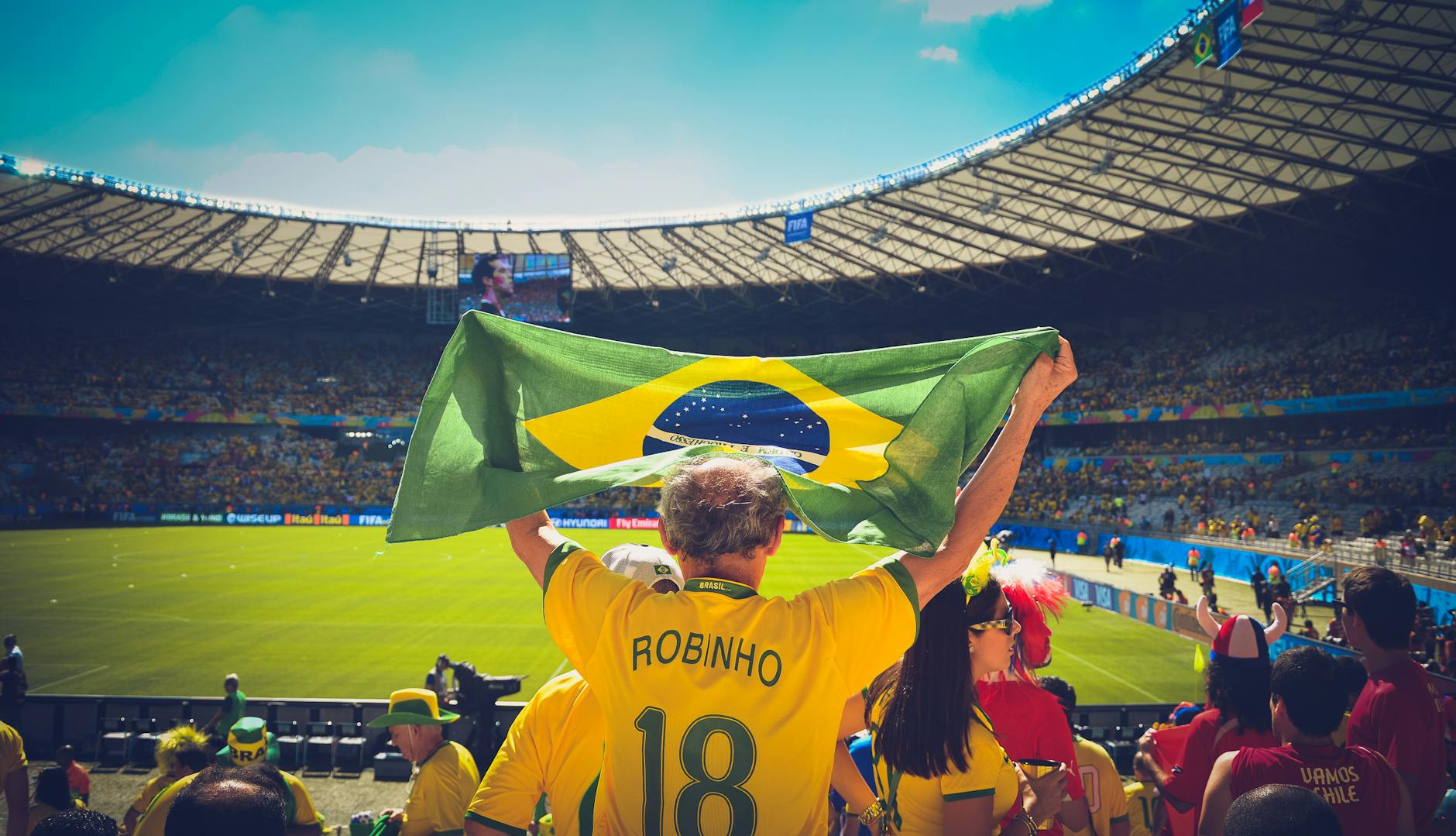
Photo by Caio on Pexels
The convergence of world-class football, cultural celebration, and North American hospitality creates a tournament experience that transcends traditional match-day attendance. Whether drawn to the glamour of Los Angeles' opening celebrations or Atlanta's passionate semifinal atmosphere, the 2026 World Cup delivers memories spanning far beyond ninety minutes on the pitch.